
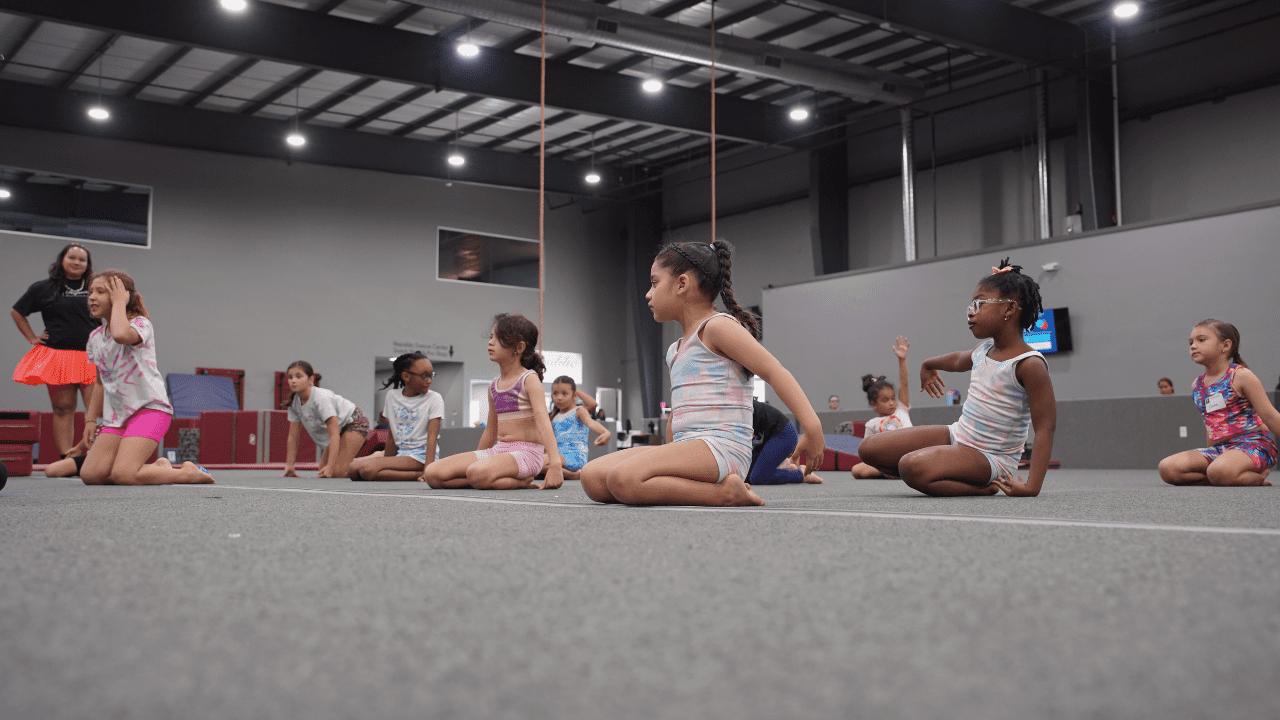
A Parent’s Guide to Girls Gymnastics Levels Explained
October 27, 2026
Choosing a gymnastics class should feel exciting, but understanding the different age groups and skill levels can leave parents with questions. Should your daughter start with a beginner class? Where does previous experience fit? How do you know when she is ready to move up?
The right starting point depends on her age, experience, and readiness to learn. Understanding how classes are organized can help you choose a program that builds confidence while providing an appropriate challenge.
At Republic Gymnastics in Cypress, TX, girls gymnastics classes offer opportunities for beginners and experienced gymnasts. Here is what parents should know about the different programs and how to find the right fit.
How Do Girls Gymnastics Levels Work?
Girls gymnastics classes typically build from foundational movements toward more challenging skills. As gymnasts progress, they work on improving strength, flexibility, coordination, body control, and technique.
Age groups help children learn alongside peers at a similar developmental stage, while skill placement helps match instruction to their abilities. An eight-year-old trying gymnastics for the first time may need a different starting point than an eight-year-old who has trained for several years.
At Republic, the girls program includes:
- Ages 5–7: Silver & Gold gymnastics classes.
- Ages 8+: Fundamental, Progressive & Advanced gymnastics classes.
- Girls Elite Program: An invitation-only program that includes Mini Level and Levels 1–4.
These class names describe Republic’s program options. If your child is transferring from another gym, ask about placement rather than assuming the same class name means the same requirements.
Girls Gymnastics Classes for Ages 5–7: Silver & Gold
The Silver & Gold classes help younger gymnasts develop foundational skills in a structured, encouraging environment. Training focuses on strength, flexibility, coordination, body control, and growing confidence.
Gymnasts rotate through floor, bars, beam, vault, and trampoline, giving them opportunities to experience different types of movement.
For children in this age group, progress includes more than learning a new skill. Following instructions, taking turns, staying focused during an activity, and becoming comfortable trying something unfamiliar are meaningful parts of the learning process.
Choosing Between Silver and Gold
Age alone may not tell you which class is the best fit. Previous instruction, comfort with basic movements, and readiness for the class expectations can help guide the decision.
When asking about placement, share whether your daughter has attended gymnastics before and what she feels comfortable doing. The team can help you understand which option makes sense for her current abilities.
For younger children, preschool gymnastics classes provide another starting point. This program serves potty-trained children ages 3–5. If your child is five, ask which program best fits her experience and readiness.
Girls Gymnastics Classes for Ages 8+: Fundamental, Progressive & Advanced
Girls ages eight and older can begin gymnastics or continue developing their abilities through the Fundamental, Progressive & Advanced classes.
This age group includes children with different backgrounds. Some are entering a gym for the first time, while others have experience and want to keep improving. Appropriate placement gives each gymnast room to learn without feeling overwhelmed or insufficiently challenged.
Starting Gymnastics at Age 8 or Older
Your daughter does not need to have started gymnastics as a preschooler to enjoy learning the sport. For a beginner, the priority is finding instruction that introduces foundational movements at an appropriate pace.
Let the team know she is new, and discuss any questions she has before enrolling. Feeling comfortable asking for help can make the experience less intimidating.
Continuing With Previous Experience
If your daughter has taken classes before, explain what her training included and how recently she participated. Experience mainly with floor tumbling may differ from experience across bars, beam, vault, and other events.
Placement should consider her overall readiness, including technique, control, and ability to apply coaching feedback. One impressive skill does not necessarily show how comfortable she will feel with every part of a class.
What Is the Girls Elite Gymnastics Program?
The Girls Elite Program is an invitational pathway for gymnasts who demonstrate strong skill development, focus, work ethic, and readiness for more advanced training.
The program includes Mini Level and Levels 1–4, with increased training expectations and focused skill development.
If your daughter is interested in this pathway, ask about the invitation process and what participation involves. Understanding the training commitment can help your family consider how it fits with school, other activities, and your child’s goals.
For gymnasts working toward an invitation, consistent effort and responding to feedback are useful priorities. Advancement should reflect readiness for the next training experience.
How Do You Know When Your Child Is Ready to Move Up?
Learning a new skill is exciting, but advancement involves more than completing a movement once. Consistency, control, and the ability to follow corrections also matter.
Instead of comparing your daughter’s progress with another gymnast’s, ask her coach:
- Which skills is she performing consistently?
- Which foundations still need practice?
- How well is she applying feedback?
- What would the next class require?
- What should she focus on in her current class?
These questions give you a clearer picture of her development. They also help keep the focus on learning rather than rushing toward a different class label.
Find Girls Gymnastics Classes in Cypress, TX
Help your daughter build confidence, develop new skills, and enjoy being active at Republic Gymnastics. From learning the basics to taking on more advanced challenges, our girls gymnastics classes in Cypress offer options for a range of ages and abilities.
Not sure where she should start? Our team can help you explore class options based on her age, previous experience, and goals. Review our class pricing and policies, then contact Republic Gymnastics for placement guidance and current availability.