
What to Look for in a Gymnastics Facility for Your Child
November 17, 2024
Choosing the right gymnastics facility for your child is a decision that will impact not only their physical abilities but also their self-esteem and personal growth. Gymnastics offers a blend of physical fitness, mental strength, and emotional development, which makes it an excellent activity for children. But with so many options available, how do you know which facility is the best fit for your child? Here are the key factors to consider to ensure that you choose the right gymnastics center for your child’s needs and goals.
1. Experienced and Qualified Coaches
The quality of coaching is one of the most important factors in any gymnastics program. A good coach should be knowledgeable, skilled, and, most importantly, able to work well with children of all ages and abilities. Coaches should be certified through reputable organizations, such as USA Gymnastics, and have experience working with kids.
A great gymnastics coach is more than just an instructor of physical skills—they should also be mentors who encourage the development of character, discipline, and perseverance. It’s also important that the coaches are aware of developmental milestones for children and create a supportive, nurturing environment where kids can feel comfortable progressing at their own pace.
If your child is aiming for competitive gymnastics, look for a coach who has experience in training athletes for competitions. These coaches will understand the level of dedication and hard work needed to succeed in gymnastics at higher levels.
2. Safety Standards and Protocols
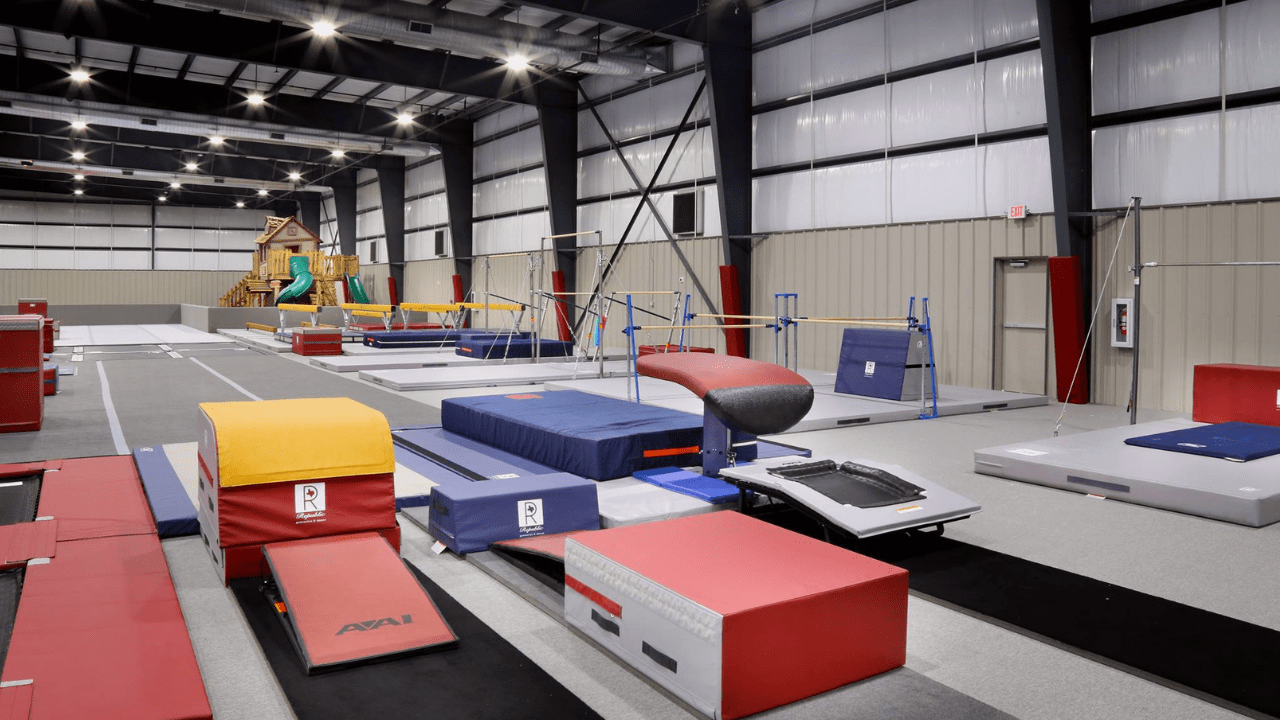
Gymnastics involves equipment that can pose risks if not used properly. A safe gymnastics facility will have strict safety standards in place to protect your child. This includes regularly inspected equipment, such as balance beams, vaults, and uneven bars, which should be free from wear and tear. Additionally, the gym should use mats and pads to cushion falls and provide proper instruction on using the equipment safely.
Safety isn’t just about physical protection; it’s also about creating an emotionally safe environment where your child can take risks without fear of judgment. A facility should emphasize personal growth and allow children to make mistakes without pressure.
It’s important that coaches are trained in CPR and first aid, and the gym should have emergency procedures in place. Look for a gym that is committed to your child’s safety both on and off the equipment.
3. Age-Appropriate Programs
The best gymnastics programs are tailored to your child’s age and developmental stage. For younger children, gymnastics classes should focus on building foundational skills such as balance, coordination, flexibility, and strength. These basic skills will set the stage for more advanced gymnastics techniques as your child matures.
For older children or those who are more advanced in their abilities, classes should focus on refining skills, improving strength, and developing specific gymnastics techniques, such as floor routines, tumbling, and more. As children grow, the program should be adaptable to meet their increasing skill levels and interest.
A gym that offers both recreational and competitive gymnastics programs allows your child to choose their level of involvement. Competitive programs require a higher commitment and training intensity but are ideal for children who want to take their skills to the next level.
4. Positive and Supportive Environment
A positive environment is crucial to your child’s success and enjoyment in gymnastics. The best gymnastics centers foster an atmosphere where children feel supported, encouraged, and empowered to do their best. Coaches should provide positive reinforcement, focusing on both the effort and the result. This not only builds self-esteem but also encourages a growth mindset where children understand that progress comes with patience and practice.
The gym should emphasize values like teamwork, perseverance, and resilience. A supportive gym environment should also be one where kids learn to cheer on and support one another, which is especially important in a sport like gymnastics where individual performance is key, but camaraderie can help children push through challenges.
In competitive gymnastics programs, the emphasis should still be on fostering a positive environment. While competition is a central aspect, a great gym will also teach your child how to handle both victories and setbacks with grace and dignity.
5. Small Class Sizes and Individualized Attention
As your child progresses in gymnastics, it’s important that they receive individual attention and feedback. This is where smaller class sizes are essential. Smaller classes allow the coach to provide more personalized instruction, which is especially beneficial for children just starting or working on specific skills.
In larger classes, it can be difficult for coaches to keep track of every student’s progress or to provide tailored feedback. While some larger gyms may offer advanced classes for competitive athletes, younger or beginner classes should remain small for optimal results. The ability to track a child’s progress and address individual challenges is key to ensuring they develop at their own pace.
6. Cleanliness and Maintenance of the Facility
The condition of the gymnastics facility is another important consideration. A well-maintained gym reflects the quality and professionalism of the program. It’s important to ensure that the facility is clean, including the equipment, mats, and common areas like restrooms and changing rooms.
Proper cleaning and maintenance of equipment are crucial for safety. Worn or broken equipment can lead to injury, so be sure to inspect the gym for any signs of wear and tear. The best gymnastics facilities take pride in maintaining a clean and safe space for kids to practice and learn.
7. Competitive Opportunities
For children interested in taking gymnastics to a higher level, competitive opportunities can be a big draw. The best gymnastics centers provide options for both recreational and competitive athletes. Competitive gymnastics programs often have higher training demands and more frequent practice schedules, but they can provide your child with the opportunity to develop discipline, goal-setting skills, and a deeper understanding of the sport.
When looking for a gymnastics center with competitive programs, make sure that the gym supports both the competitive side of the sport as well as your child’s mental and emotional health. The best programs will emphasize sportsmanship, teamwork, and personal growth, not just winning.
8. Communication and Parental Involvement
A good gymnastics facility will value communication with parents. Look for a gym that provides regular updates on your child’s progress and encourages an open dialogue with coaches. This communication helps you stay involved in your child’s gymnastics journey and gives you the opportunity to address any concerns you may have.
In addition, parental involvement can be an important part of your child’s gymnastics experience. Some gyms offer opportunities for parents to volunteer, attend events, or simply observe classes. Getting involved in your child’s gymnastics journey helps build a stronger connection between you, your child, and the gymnastics community.
9. Location and Accessibility
The location of the gymnastics center plays a key role in making gymnastics a part of your child’s routine. Ideally, the facility should be conveniently located near your home, school, or workplace. A gym that is easy to get to means less stress for both parents and children when attending practice.
In addition to location, consider the gym’s schedule. A facility that offers flexible hours for after-school or weekend classes will allow you to better accommodate gymnastics practice into your busy family routine. Be sure to check whether they offer make-up classes or vacation camps to keep your child engaged year-round.
10. Cost and Value
Cost is always a consideration when choosing a gymnastics facility. While it’s tempting to choose the cheapest option, the value of the program should take precedence over price alone. A well-run gymnastics center will provide high-quality coaching, a safe environment, and a positive atmosphere for your child to grow and develop.
Be sure to inquire about any hidden costs, such as competition fees, uniforms, or equipment. Many gymnastics centers offer different levels of membership or packages based on the type and frequency of classes, so take the time to understand what each program includes.
It’s also important to assess the long-term value of the gym. A high-quality program will teach your child not only gymnastics skills but life lessons in perseverance, teamwork, and confidence that will serve them well in other areas of life.
11. Long-Term Development Beyond Gymnastics
Choosing the right gymnastics facility isn’t just about finding a place where your child can excel in the sport. It’s about ensuring the environment fosters qualities like discipline, confidence, and resilience, which are essential in any aspect of life. Gymnastics teaches kids valuable life lessons such as setting goals, overcoming setbacks, and pushing through challenges. These traits can extend well beyond the gym, influencing your child’s academic, social, and even career pursuits later in life.
The best gymnastics centers emphasize the holistic development of the child, including emotional and mental growth. By encouraging kids to approach challenges with a positive mindset, gymnastics helps develop strong problem-solving abilities, persistence, and adaptability. These qualities are important for building long-term success, both in sports and in life.
Moreover, gymnastics can be an excellent stepping stone for young athletes who may want to pursue other sports in the future. The strength, flexibility, and coordination built through gymnastics often translate well to other physical activities, making it easier for kids to explore and excel in other sports as they grow.
Choosing a facility that nurtures not only the technical aspects of gymnastics but also a child’s emotional, mental, and physical well-being will contribute to the overall growth of your young athlete. Ultimately, gymnastics can help shape a well-rounded, confident individual prepared to take on challenges—both inside and outside of the gym.
Conclusion
Choosing the right gymnastics facility for your child is a decision that requires careful thought and consideration. By focusing on factors like experienced coaches, safety standards, age-appropriate programs, and a positive environment, you can ensure that your child has the best possible gymnastics experience. Whether your child is starting gymnastics for fun or is looking to take it to a competitive level, finding a facility that supports their growth and development will provide them with a foundation for success both in gymnastics and beyond.
Take your time when evaluating different gymnastics centers, and trust your instincts. A gym that prioritizes your child’s well-being, fosters a positive community, and provides excellent coaching will help them thrive in the sport while also building confidence, resilience, and discipline that will last a lifetime.